Gemstones in Modern Jewelry

Chandan Singh
| 12-08-2026
 · Lifestyle Team
Gemstones bring color, character, and individuality to modern jewelry. While diamonds remain a timeless favorite, colored stones offer designers an expansive palette of hues, patterns, and visual effects.
From vivid emeralds and sapphires to expressive tourmalines and opals, each gemstone can give a piece a distinctive identity.
Diamond: Enduring Brilliance
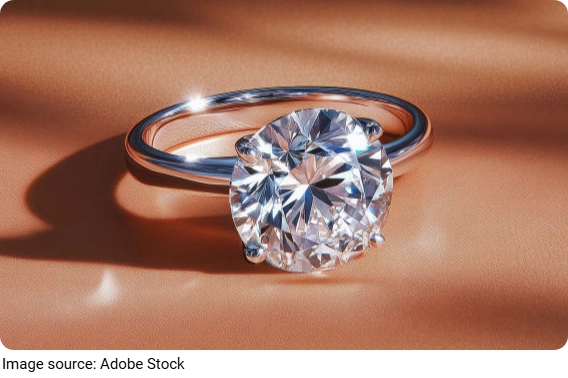
Diamonds remain one of the most recognizable choices in jewelry, prized for their brilliance, hardness, and versatility. Their neutral appearance complements different metals, settings, and colored gemstones.
Contemporary designs use diamonds in many forms, from delicate bands and geometric settings to understated everyday pieces and statement jewelry. Their versatility allows them to work equally well as a subtle accent or a central feature.
Emerald: Distinctive Green
Emerald is prized for its rich green color, which can range from lighter tones to deep, saturated shades. Natural inclusions, traditionally known as a stone's “jardin,” are common and can contribute to its individual appearance.
Its strong color makes emerald particularly effective in rings, pendants, and other designs where the gemstone is intended to attract attention. Emerald can also create an elegant contrast with different metal tones.
Sapphire: A Spectrum of Color
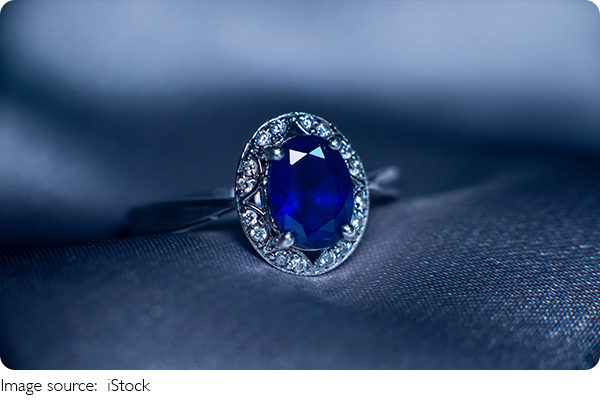
Sapphire is best known for blue, but it also occurs in colors including pink, yellow, green, and white. This variety gives jewelry designers considerable creative flexibility.
With a Mohs hardness of 9, sapphire is also well suited to pieces intended for regular wear. Its combination of durability and color makes it a versatile choice for both refined and expressive designs.
Ruby: Rich Red Impact
Ruby brings a vivid red presence to jewelry and naturally draws attention. Its strong color can make even a relatively simple setting feel distinctive.
A ruby can serve as a central gemstone or work alongside smaller stones for added detail. Its saturated color is particularly effective in designs that emphasize the gemstone rather than elaborate decoration.
Tourmaline: Expressive Color
Tourmaline is notable for its exceptionally broad range of colors. Depending on the variety, it can appear in shades of pink, green, blue, yellow, and combinations of several colors.
This natural diversity makes tourmaline especially appealing for jewelry with an individual, contemporary character. Its varied appearance also allows designers to experiment with color without relying on conventional gemstone choices.
Amethyst: Refined Purple
Amethyst adds a distinctive purple hue to jewelry, ranging from delicate lavender to deeper violet. Its color works well in both understated pieces and larger designs.
Its versatility makes it suitable for rings, earrings, pendants, and bracelets. Whether used as an accent or focal gemstone, amethyst provides color without overwhelming the overall design.
Opal: Natural Play of Color
Opal is distinguished by its optical phenomenon known as play-of-color. In suitable varieties, flashes of different colors can appear to change as the gemstone moves in the light.
This effect gives opal an artistic quality that naturally attracts attention. Designs featuring opal often keep the surrounding setting relatively restrained so the gemstone remains the visual focus.
Color and Creativity in Jewelry
Modern jewelry gives designers greater freedom to combine gemstones according to color, shape, cut, and proportion. Contrasting hues can create a lively appearance, while closely related colors can produce a more refined effect.
Mixing gemstone sizes and cuts can also add visual movement. The result can range from delicate combinations to bold statement pieces without relying on excessive decoration.
Choosing the Right Gemstone
Choosing a gemstone should begin with how the jewelry will be worn. For everyday rings and other frequently worn pieces, durability deserves particular attention. Diamond, ruby, and sapphire offer high resistance to scratching, while softer or more inclusion-rich gemstones may benefit from more careful handling.
Color, design, personal preference, and budget are equally important. The most suitable gemstone is the one that balances practical needs with the look and character you want from the finished piece.
The Modern Appeal of Gemstones
The appeal of contemporary gemstone jewelry lies in its flexibility. Familiar gemstones can look completely different depending on their cut, color, setting, and combination with other materials.
This variety allows jewelry to move beyond a single definition of elegance. A simple gemstone can create understated sophistication, while an unusual color or distinctive cut can give a piece a more expressive character.
Gemstones give modern jewelry an almost limitless range of color, texture, brilliance, and character. Diamonds offer enduring versatility, while emeralds, sapphires, rubies, tourmalines, amethysts, and opals bring their own distinctive qualities. By considering durability, color, design, and personal style, it becomes easier to choose a gemstone that feels both beautiful and uniquely suited to the wearer.