Car Drivetrain Explained

Declan Kennedy
| 26-05-2026
 · Vehicle Team
Most people buying a car don't think that hard about drivetrain until they're sliding sideways on a snowy road or wondering why their sporty car understeers through every corner.
Front-wheel drive, rear-wheel drive, and all-wheel drive each have a genuinely different feel and a genuinely different sweet spot. Understanding what each one does physically makes the choice a lot clearer.
Front-Wheel Drive: The Practical Standard
FWD is the most common layout on modern cars, and it got there because it makes a lot of sense for everyday driving. The engine and transmission sit over the front wheels, which are both the driving and steering wheels. That weight over the driven wheels improves traction on wet or slippery roads, which is useful in daily commuting.
It also allows automakers to package more interior space into a smaller car footprint, since there's no driveshaft running to the rear.
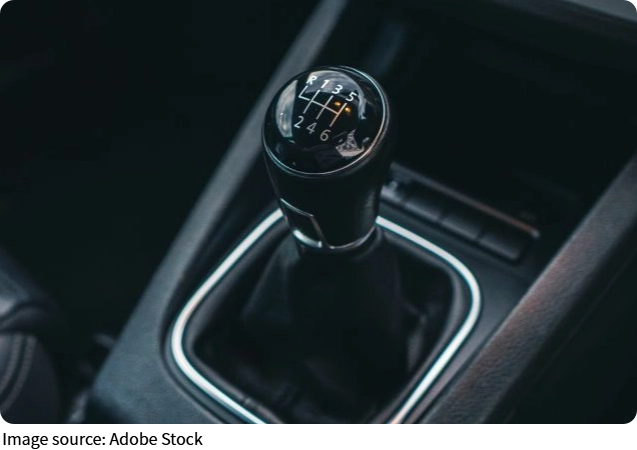
On the downside, asking the front wheels to steer and drive simultaneously has limits. Under hard acceleration, the front tires can struggle to handle both tasks at once, producing understeer — where the car pushes wide through a corner rather than following the intended line. It's the inherently safe failure mode, but performance-oriented drivers find it less satisfying. Towing capacity is also limited compared to rear- or all-wheel drive configurations.
Rear-Wheel Drive: Balance and Character
RWD is the oldest layout — the very first car, the 1885 Benz Patent-Motorwagen, was rear-wheel drive. The front wheels steer, the rear wheels drive, and the weight is distributed more evenly front-to-rear as a result. This balance contributes to more responsive handling and better weight transfer under acceleration, which is why RWD dominates sports cars, performance sedans, and traditionally engineered luxury vehicles.
The tradeoff is winter traction. Without the engine weight over the driven wheels, RWD cars can step out easily on snow or ice — the rear loses grip, and the car rotates. This is controllable with skill, and modern stability control systems catch most situations, but FWD and AWD are genuinely easier in poor conditions. RWD is also slightly more complex and heavier than FWD, which contributes to marginally higher fuel consumption.
All-Wheel Drive: Capability at a Cost
AWD distributes power to all four wheels, either constantly or on demand, depending on the system. The traction advantage is real and significant — in rain, snow, or loose surfaces, AWD gives the car four contact patches working to maintain grip rather than two. Modern AWD systems operate entirely automatically, shifting torque between axles and individual wheels without driver input.
The costs are weight, mechanical complexity, and fuel economy. AWD systems add components, which add weight and maintenance considerations. Fuel economy is typically 1 to 3 MPG worse than a comparable FWD vehicle. For drivers in snowy climates, towing, or doing a lot of off-road driving, the tradeoff is worth it. For city commuters on dry roads, it's adding cost and weight for traction capability that rarely gets called upon.

There's no single best drivetrain – only the one that fits your roads, your climate, and your driving style. FWD is practical and efficient for daily commuting. RWD delivers balance and character for those who love to drive. AWD adds real capability for snow, towing, or off-road use, but comes with extra weight and cost.
Think about where you drive most often and what conditions you actually face. A sunny commuter in Florida doesn't need AWD. A winter driver in Michigan probably does. Choose accordingly.